
Water Damage Restoration in El Segundo, CA
Water Damage Restoration in El Segundo, CA is graded on the IICRC S500 water categories, which decide whether materials can be dried in place or must be removed. The EPA puts mould growth at 24 to 48 hours after water intrusion, so extraction timing drives the scope of the job.
How much does water damage restoration cost?
Water damage restoration typically costs $1,300–$5,600 in California, depending on damage severity and affected area.
- •Category 1 (clean water — burst pipe, appliance leak): $1,300–$3,000
- •Category 2 (grey water — dishwasher, washing machine): $2,500–$5,000
- •Category 3 (black water — sewage, flooding): $4,000–$8,000+
- •Standard homeowners insurance covers sudden, accidental water damage
- •Mold begins growing within 48 hours — fast response is critical
- •Free inspection — call (888) 510-9436 for a written estimate
Key Takeaways
- ✓Industrial extraction equipment, commercial dehumidifiers, and antimicrobial treatment
- ✓Free inspection — call (888) 510-9436
- ✓Serving El Segundo and surrounding CA communities
Water Damage Restoration Services in El Segundo
When water damage restoration is needed in El Segundo, fast professional response is critical. Water Damage Champ provides water damage restoration throughout El Segundo, CA. Fast source control, extraction, and drying can reduce secondary damage and restoration cost.
El Segundo properties face a range of water damage risks, from aging infrastructure and storm-related flooding to plumbing failures and appliance leaks. Our team responds with truck-mounted extractors, commercial-grade structural drying systems, and moisture mapping technology to locate hidden water behind walls and under floors.
Many water damage jobs involve photos, moisture readings, and documentation for insurance review. Coverage depends on your policy and the cause of loss. Visit our El Segundo service area page for more local information.
How a El Segundo restoration runs

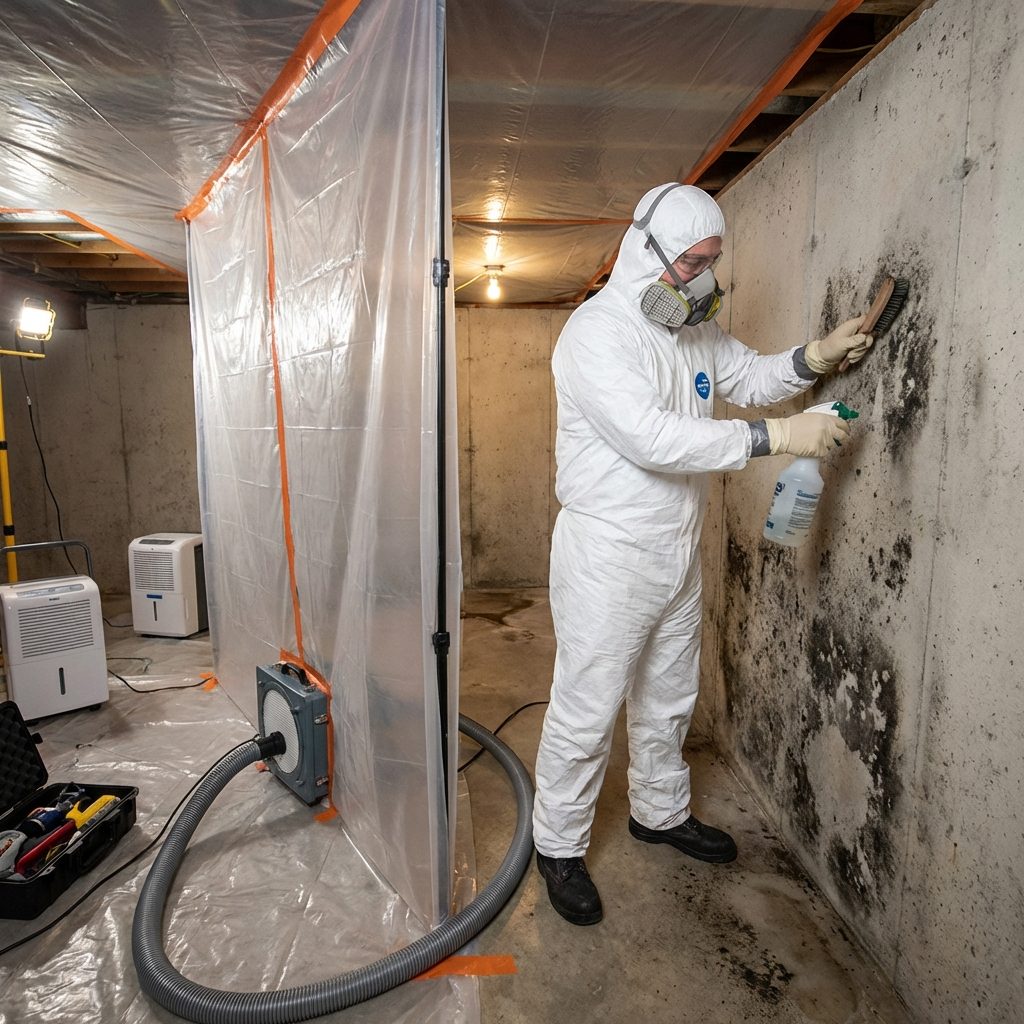


Water damage conditions in El Segundo
El Segundo experiences a coastal Mediterranean climate with cool ocean breezes and mild temperatures year-round. The city faces unique water damage risks from its industrial infrastructure, including pipeline leaks, contaminated groundwater, and flooding from the Chevron refinery area. Coastal fog and high humidity create ongoing moisture and mold risks in older buildings.
Crews work across El Segundo landmarks and corridors including Chevron Refinery, El Segundo Beach, Douglas Aircraft Plant Historic Site, Downtown Main Street, El Segundo Museum of Art.
Which response fits which situation
The IICRC S500 standard sorts a loss into one of three water categories, and that category — not the size of the puddle — decides whether materials are dried in place or removed. This is the framework a El Segundo property is assessed against.
| Situation | Category | What happens to materials | Typical drying |
|---|---|---|---|
| Burst supply line or clean water, caught early | Category 1 | Most materials dried in place | 3 to 5 days |
| Appliance or fixture overflow, standing over 48 hours | Category 2 | Carpet pad removed, drywall cut to the moisture line | 4 to 7 days |
| Sewage, ground water, storm flooding or debris flow | Category 3 | Porous materials removed, structure cleaned and sanitised | 5 to 10 days plus clearance |
A Category 1 loss can become Category 2 if it sits, which is why response time changes cost more than the initial volume of water does. Drying is verified with meter readings rather than by how dry a surface feels.
What to do in the first hour
What happens before anyone arrives decides how much of the structure is salvageable. These steps apply to any El Segundo property, in this order.
- 1.Stop the water at the source. Close the fixture shutoff if the leak is local, or the main if it is not. On a supply-line break the main is usually at the street side of the property or in the garage.
- 2.Kill power to affected circuits at the panel before entering standing water. Do not step into water that reaches outlets, and do not reach for a panel that is itself wet.
- 3.Photograph everything before moving it. Insurers assess the loss from its original state, and pictures taken after cleanup routinely cost more in a claim than the cleanup saved.
- 4.Do not run the HVAC system if the water is Category 2 or 3. Circulating air through affected rooms moves contamination into ductwork and the rest of the building, turning a contained loss into a whole-property one.
- 5.Lift what still lifts. Get rugs, electronics and furniture legs off wet flooring. Furniture stain and rust transfer into carpet within hours and rarely comes out afterwards.
- 6.Leave saturated drywall and insulation alone. Pulling material before it is documented and its moisture mapped can complicate the claim, and wet insulation inside a wall cavity needs meter readings to scope properly.
Local Water Damage Restoration Conditions in El Segundo
Our El Segundo coverage data includes neighborhood-level restoration notes for areas like Downtown El Segundo. Local properties commonly include downtown El Segundo has the city's most intact collection of pre-WWII and immediate postwar residential construction — Craftsman bungalows, Spanish Colonial cottages, and early tract homes along the walkable Main Street grid. Many properties are original-owner vintage with minimal system upgrades. The commercial Main Street strip has 1920s-1950s commercial frontage.
Weather and building conditions also affect drying strategy. Immediate South Bay coastal climate with strong marine influence year-round; proximity to the ocean keeps temperatures mild and humidity elevated. Morning fog is common from November through July. Winter rain events are brief but the sustained high ambient moisture keeps building materials at elevated baseline moisture content. That changes how our crews place dehumidifiers, inspect wall cavities, and monitor structural moisture after a water damage restoration call.
| Common El Segundo Risk | How We Handle It |
|---|---|
| Original galvanized and cast iron plumbing in pre-1950 bungalow stock | Moisture mapping, source control, extraction, structural drying, and photo documentation when documentation is part of the job. |
| Marine-layer-accelerated exterior paint and stucco degradation | Moisture mapping, source control, extraction, structural drying, and photo documentation when documentation is part of the job. |
| Main Street commercial building flat-roof drainage failures | Moisture mapping, source control, extraction, structural drying, and photo documentation when documentation is part of the job. |
| Coastal groundwater proximity elevating baseline moisture under slabs | Moisture mapping, source control, extraction, structural drying, and photo documentation when documentation is part of the job. |
| Mature street tree root intrusion in original clay tile sewer laterals | Moisture mapping, source control, extraction, structural drying, and photo documentation when documentation is part of the job. |
Crews regularly cover calls near Main Street El Segundo, El Segundo Public Library, Recreation Park, El Segundo High School, Standard Street, Chevron El Segundo Refinery, Hyperion Water Reclamation Plant, Dockweiler State Beach, and the surrounding residential and commercial corridors.
Our Water Damage Restoration Process in El Segundo
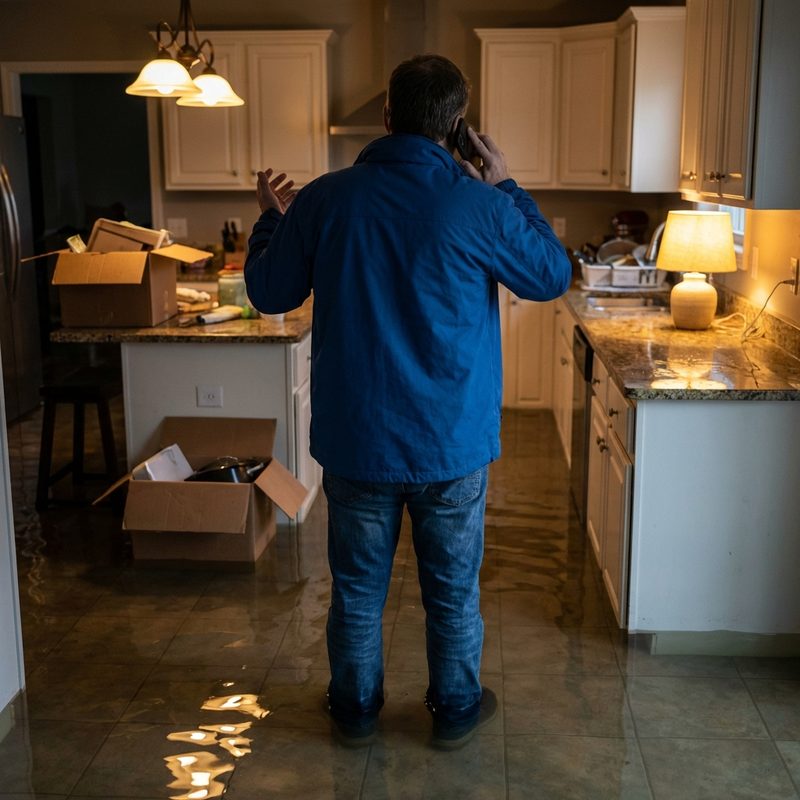
Request Intake
Call or request help so the affected area, water source, and access details can be reviewed.
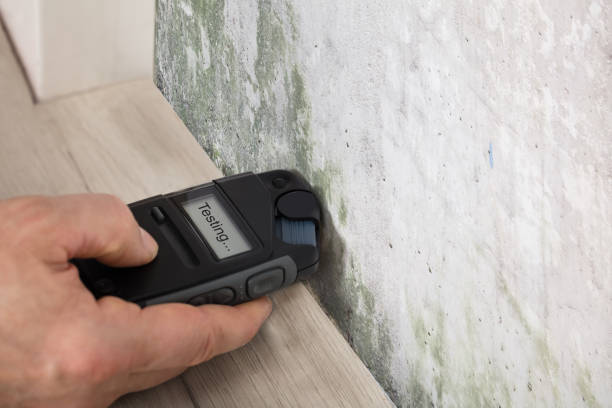
Inspection & Documentation
Moisture mapping, photos, and job notes help define the affected materials and drying plan.
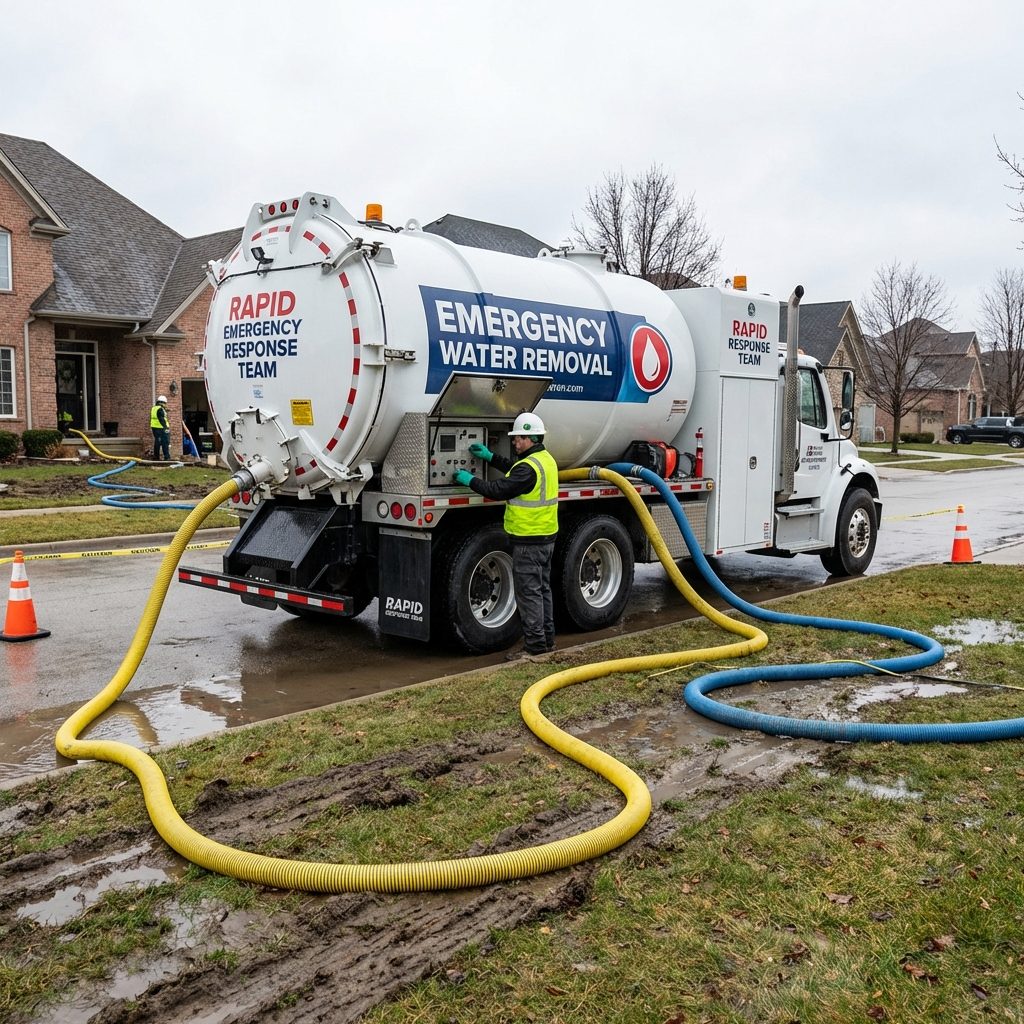
Extraction & Drying
Industrial extraction and commercial drying equipment running continuously until all moisture readings reach safe levels.
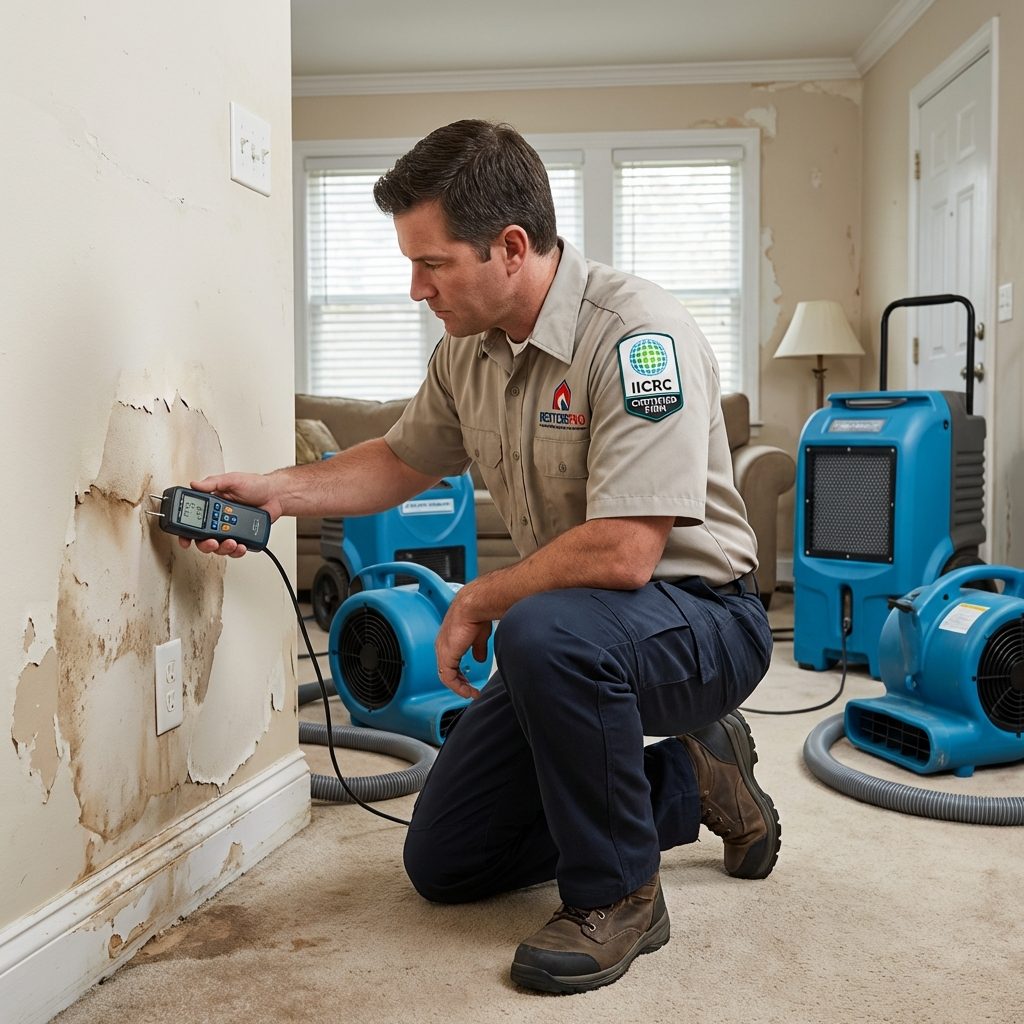
Clearance & Restoration
Final moisture verification, antimicrobial treatment, and structural restoration to pre-damage condition.
Neighborhoods We Serve in El Segundo
Each neighborhood page below includes local building stock, ZIP codes, landmarks, and common water damage scenarios so you can confirm we cover the exact part of El Segundo where the loss happened.
ZIP 90245
Downtown El Segundo has the city's most intact collection of pre-WWII and immediate postwar residential construction — Craftsman bungalows, Spanish Colonial cottages, and early tract homes along the walkable Main Street grid. Many properties are original-owner vintage with minimal system upgrades. The commercial Main Street strip has 1920s-1950s commercial frontage.
Most common here: Original galvanized and cast iron plumbing in pre-1950 bungalow stock.
ZIP 90245
Southeast El Segundo has a minimal residential footprint given its industrial character — what residential exists is primarily in the transition zone between the industrial core and the downtown grid, with mid-century single-family homes and some multi-family on the residential streets approaching Sepulveda Boulevard.
Most common here: Ground subsidence from petroleum extraction affecting slab and foundation performance.
ZIP 90245
Minimal residential in the immediate LAX North Campus and Raytheon zone — primarily light industrial, aerospace campus, and commercial office construction. Residential transition begins along Douglas Street and the streets approaching the downtown core. Some mid-century worker housing in the Douglas Street corridor.
Most common here: LAX North Campus construction and expansion vibration effects on neighboring structures.
ZIP 90245
A narrow coastal strip between Pacific Coast Highway and the ocean, with Vista del Mar as the primary vehicular corridor. Residential density is low in this zone — the immediate beachfront is largely public access, RV camping at Dockweiler, and coastal infrastructure. The residential transition begins east of PCH along Grand Avenue approaching the downtown grid.
Most common here: Extreme salt air corrosion of all exterior metal components.
Don't see your neighborhood? Call (888) 510-9436 — we serve all of El Segundo and surrounding areas.
Need Water Damage Restoration in El Segundo?
Call to confirm water damage restoration availability in El Segundo, CA.
(888) 510-9436Frequently Asked Questions
Standards and sources for El Segundo property owners
The figures and procedures on this page follow published industry standards and government guidance. Each source below is linked so you can check it yourself.
- IICRC S500 Standard for Professional Water Damage Restoration — IICRC
The industry standard our technicians are certified and trained against, covering water categories, drying targets and documentation.
- EPA guidance on mold and moisture — U.S. EPA
Sets the 24-to-48-hour window after water intrusion in which mold growth typically begins, which is why response time matters.
- National Flood Insurance Program (FloodSmart) — FEMA / National Flood Insurance Program
Explains why standard homeowners policies exclude flood damage and what a separate NFIP policy covers.
- OSHA flood cleanup hazard guidance — OSHA
The worker-safety rules governing electrical, structural and contamination hazards on a flooded property.
- Ready.gov flood preparation and recovery steps — Ready.gov
Official guidance on what to do before entering and re-occupying a flood-damaged building.
- National Weather Service flood safety guidance — National Weather Service
Defines flood watch versus flood warning and the depth at which moving water becomes dangerous.
- verify a California contractor licence with the CSLB — California Contractors State License Board
Any restoration contractor working in California should hold a current CSLB licence you can look up by number.
- California Department of Insurance claim rights — California Department of Insurance
Your rights when filing a water damage claim, including timelines the insurer must meet.